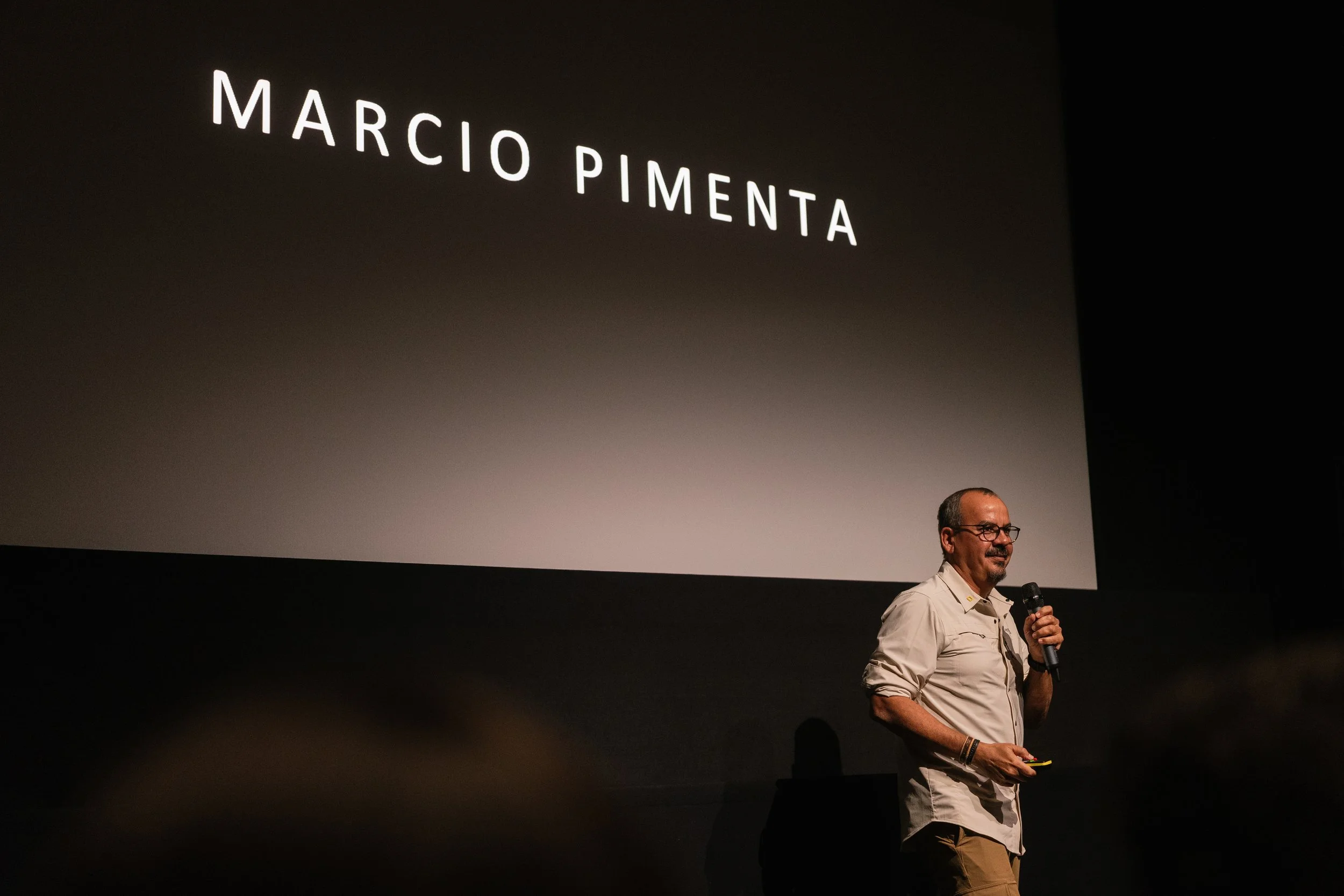
MARCIO PIMENTA
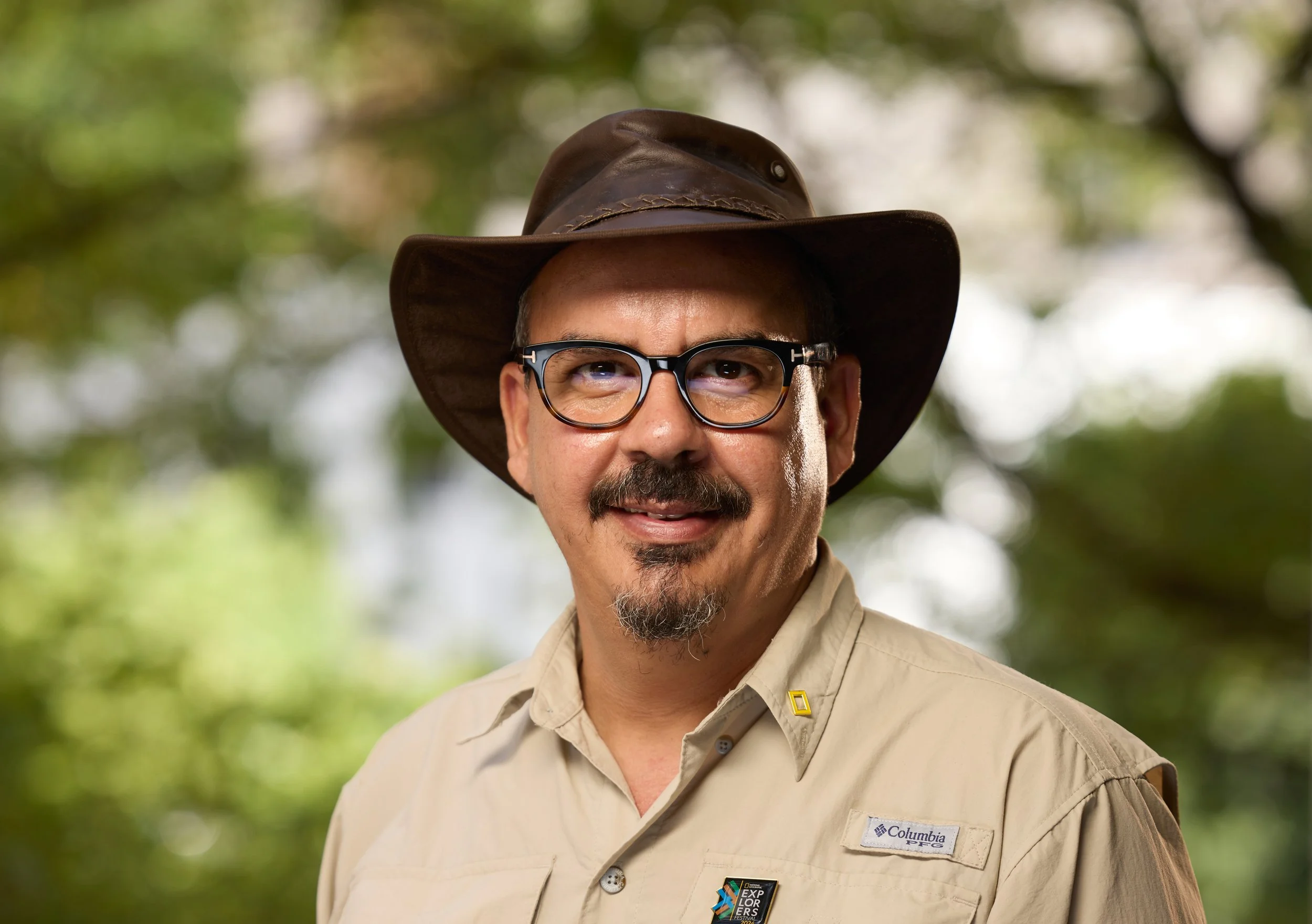
Marcio Pimenta is an explorer, photographer, filmmaker, writer, and speaker.
He is a member of The Explorers Club and a National Geographic Society explorer. His work is dedicated to witnessing the history of humanity, marked by achievements and losses.
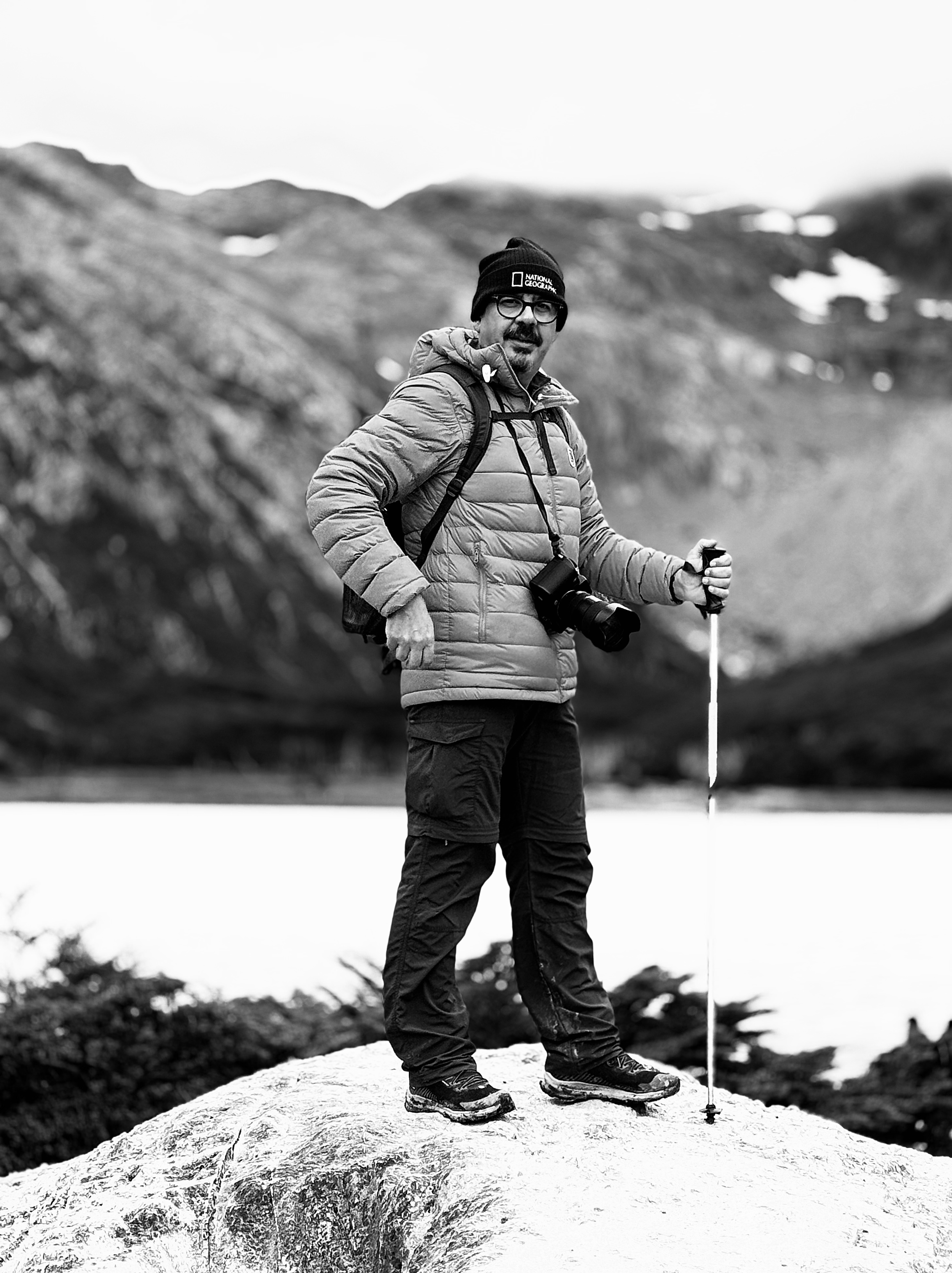
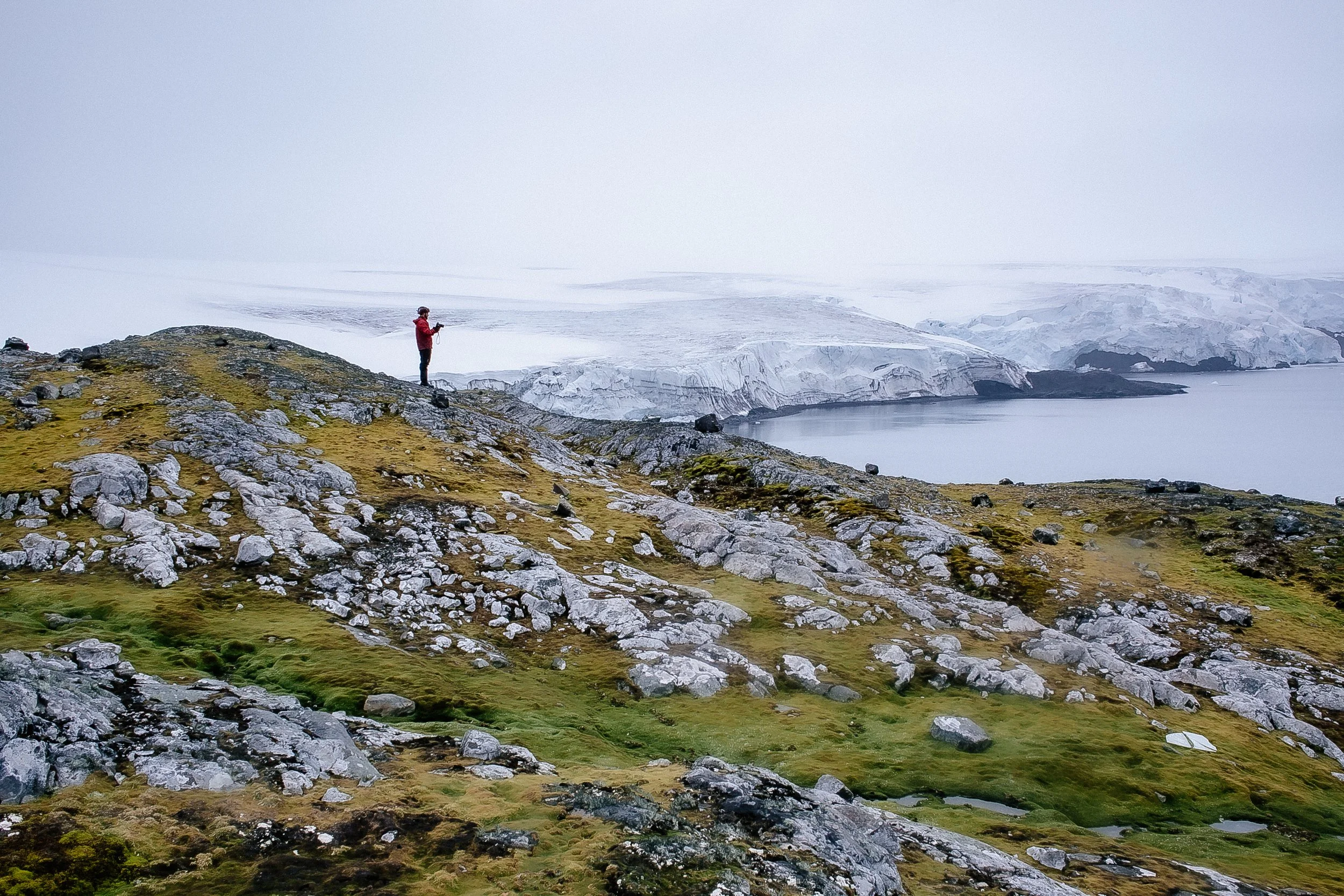
With the support of the National Geographic Society, between 2022 and 2023 he embarked on a solo expedition of more than 11,000 km (6,835 miles) by land and sea following the trails described by Charles Darwin in his travel diary. Pimenta documented the socio-anthropological observations, landscapes and Darwin's legacy still present in Patagonia.
Graduated in economics and holding a doctorate in international relations with a specialization in American Studies, Pimenta abandoned his academic career in 2013 to pursue a path as a visual storyteller.
In 2016 and 2017, he was in Iraq to cover the war against ISIS and the renaissance of Yazidi women. This work resulted in his first photo album, published in 2020, “Yazidis”.
Between 2018 and 2020, he traveled to several countries in South America to document how human beings transform landscapes to obtain water, energy and food, launching his new photobook "Man and the Earth" in 2023.
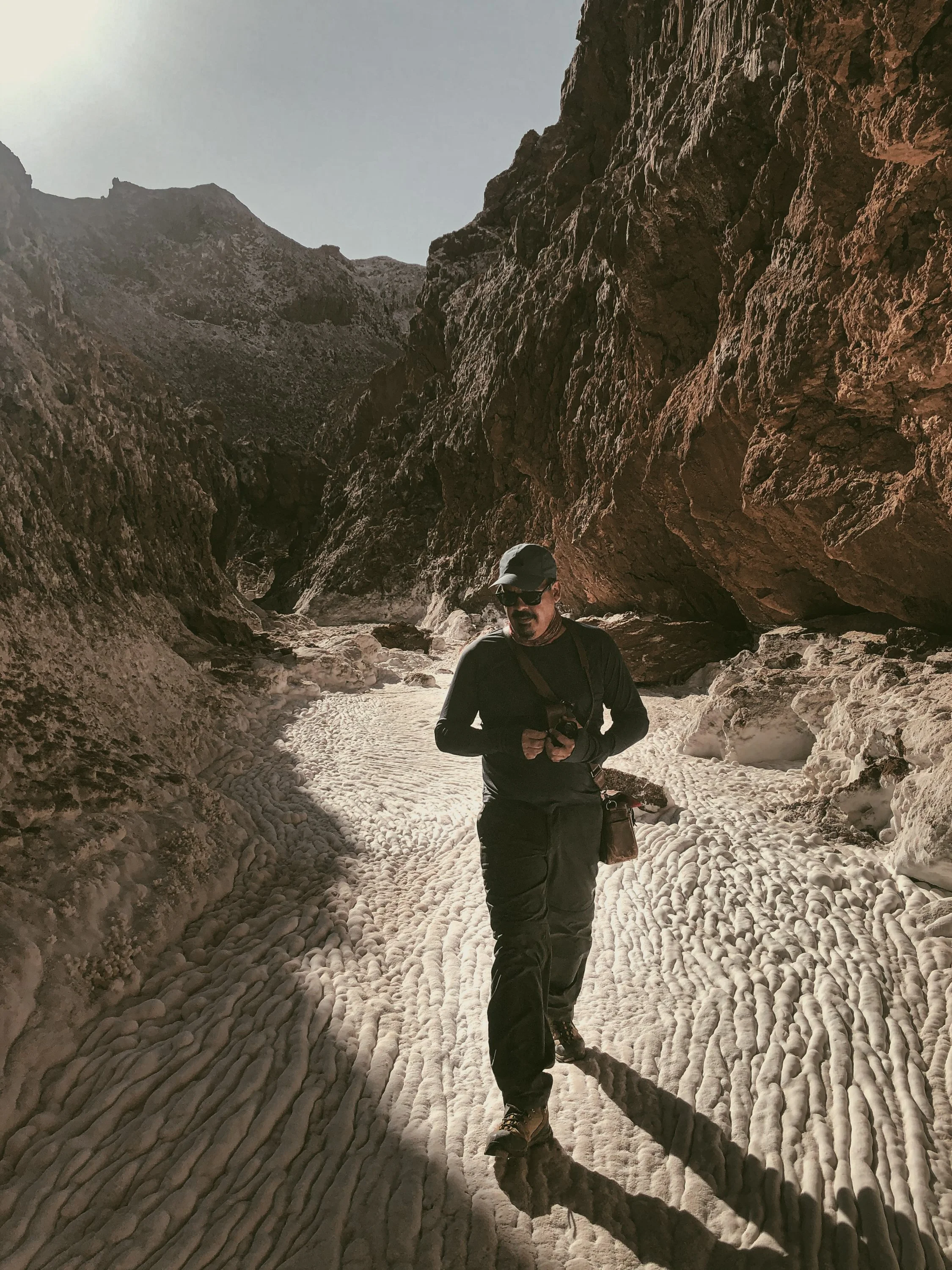
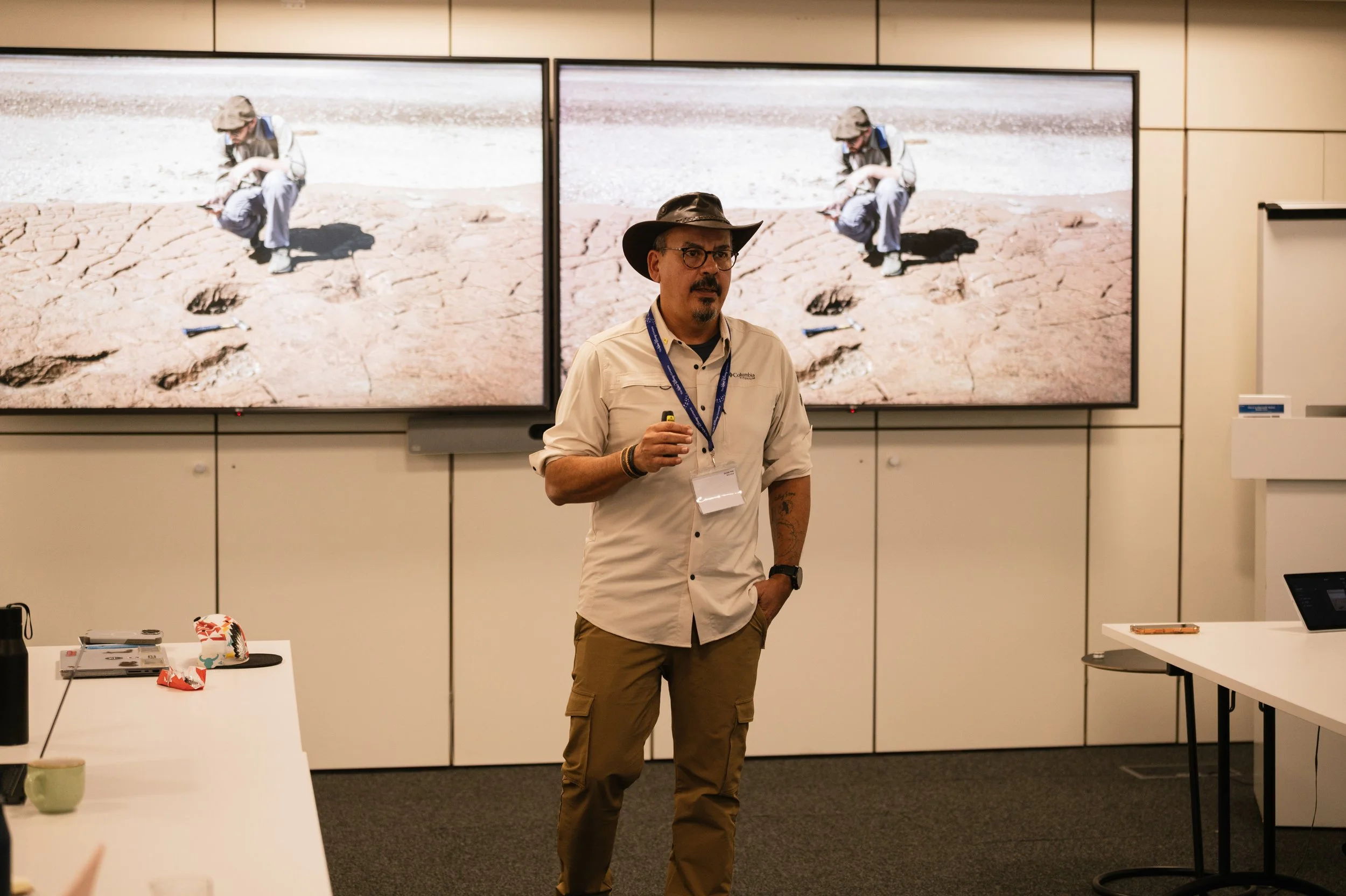
In 2024, produced and completed the first short documentary film, Hoy’ri. Set in the world’s driest desert, the film explores the journey of paleontologists who, amidst stromatolites — the oldest fossil evidence of life on Earth — excavate the past in search of answers about the evolution of life and the cosmos. The desert's unique aridity preserves primitive conditions from 3.5 billion years ago, inspiring profound reflections on existence and time.
Pimenta is also a contributing author to Letters from the Edge (Penguin Random House), an anthology edited by The Explorers Club and Jeff Wilser that brings together writings from 45 explorers across different eras, including figures such as Theodore Roosevelt, Carl Sagan, and other leading voices of exploration past and present. The book reflects on curiosity, discovery, and the boundaries of human experience through firsthand accounts and personal field narratives.
His forthcoming book, Finding Darwin (Solisluna, 2026), is a literary travel narrative based on the National Geographic Society–funded expedition of the same name. The book retraces Darwin’s route across Patagonia while weaving exploration, history, and contemporary reflection into a personal account of landscape and scientific legacy.
In 2025, Pimenta delivered a TEDxUDESC talk focused on the idea of re-signification, reflecting on how exploration, memory, and lived experience can transform the way individuals and societies interpret landscapes, history, and their own trajectories. The talk connects personal journeys in the field with broader reflections on meaning, change, and human resilience.
Witness to important events of our time, Pimenta hopes that the results of his work will be used for anthropological, sociological, economic, geographic, historical and aesthetic studies.
Pimenta divides his time between Patagonia, Pampa and the city of Florianópolis, Brazil, with his wife.
National Geographic Explorer'22, International Fellow The Explorers Club'21. Rory Peck Trust Grantee. Pulitzer Center Grantee.
MANIFESTO
MANIFESTO
Exploring the Human Journey
The story of humanity does not begin with cities or civilizations. It begins much earlier — in the first traces of life that emerged on a young and restless planet. Over billions of years, the Earth shaped the conditions that would eventually give rise to a species capable of asking where it came from, where it is going, and what its place is in the universe.
Exploring that journey is the purpose of my work.
I am an explorer, writer, photographer and filmmaker investigating the long story of humanity on Earth — from the origins of life to the cultures we build, the conflicts we endure, and the landscapes we transform. Each expedition, book, and film emerges from the same question: how did our species come to inhabit and reshape this planet?
For me, exploration is not simply about traveling to remote places. It is an investigation into time, territory, and the human condition. In deserts where traces of the earliest life still persist, along the routes of naturalists who changed the course of science, and in regions shaped by conflict and struggle, I seek to understand the forces that have shaped our species — biological, cultural, and historical.
We are living in a singular moment in the history of the Earth. For the first time, one species possesses the power to alter ecosystems, climates, and landscapes on a planetary scale. Understanding how we arrived at this moment has become one of the most urgent questions of our time.
To explore the human journey is to look simultaneously into the deep past of the Earth and toward the future of civilization. It is to recognize that we are part of a story far larger than ourselves — a story that began billions of years before us and will continue long after we are gone.
My work seeks to witness and interpret this story — not only as a record of places and events, but as an ongoing inquiry into who we are as a species, and the path we are carving on the only planet we call home.